

Solid-state EV batteries
Solid-state EV batteries represent the most significant leap forward in electric vehicle technology in the past decade. As automotive manufacturers race toward longer driving ranges, faster charging times, and improved safety, solid-state battery systems are emerging as the number one trend shaping the future of sustainable transportation. This advanced battery technology replaces the flammable liquid electrolyte found in conventional lithium-ion batteries with a solid ceramic or polymer material. The result is a battery that is not only more stable but also capable of delivering drastically higher energy density.
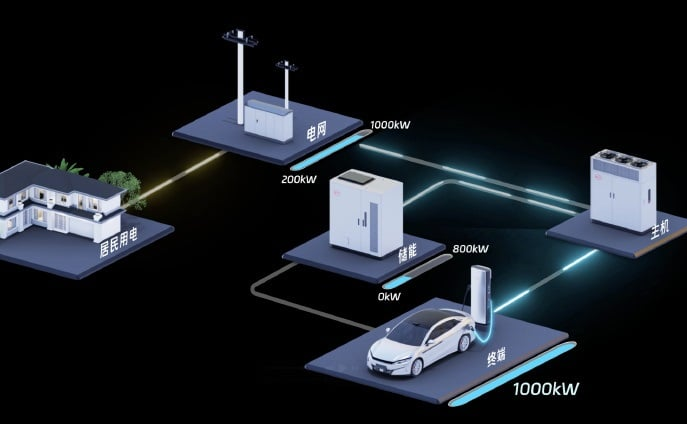
One of the primary reasons solid-state EV batteries are gaining traction is their ultra-fast charging capability. Because the solid electrolyte prevents overheating, these batteries support higher charging voltages, allowing EVs to recharge in as little as 10–15 minutes — rivaling traditional gas refueling times. This improvement directly addresses the biggest consumer pain point: range anxiety. Leading battery manufacturers and automotive brands are investing billions into solid-state research, with production-ready units expected to roll out later this decade.
Solid-state batteries also offer greater longevity, delivering up to 2–3 times more charge cycles compared to lithium-ion systems. This means reduced maintenance, fewer battery replacements, and a longer-lasting EV platform. Additionally, these batteries perform much better in cold weather conditions, a major advantage in regions like Canada, where winter temperatures often reduce battery performance.
From an environmental perspective, solid-state batteries use fewer hazardous chemicals and are easier to recycle. Their high energy efficiency also supports the growing infrastructure of renewable energy-powered charging networks. As EV adoption surges across North America, the demand for safer, faster, and more durable battery solutions makes solid-state technology the top emerging trend for 2025 and beyond.