
Canada’s New Electric Vehicle Rebate in 2026
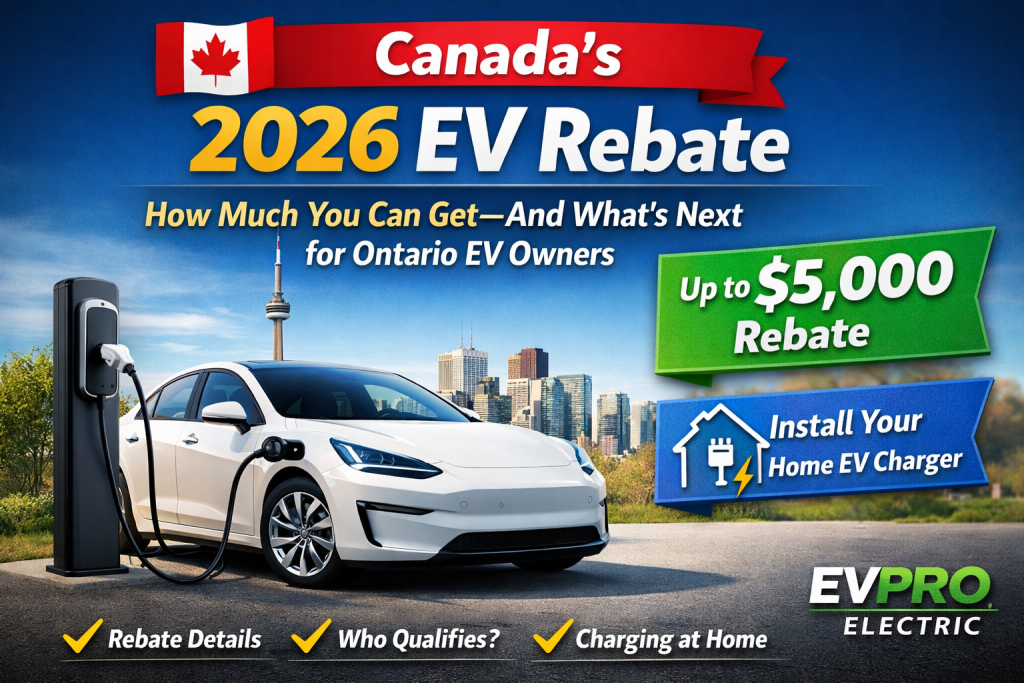
If you’re thinking about buying or leasing an electric vehicle (EV) in Canada this year, there’s exciting news: the federal government has just launched a brand-new EV rebate program that makes electric cars more affordable for Canadians like never before.
After several years without a consistent national incentive, the Electric Vehicle Affordability Program (EVAP) officially kicked off on February 16, 2026, offering significant rebates for qualifying EVs. This blog will walk you through what the rebate is, how much you can get, the eligibility rules, and tips to make the most of it.
🧾 What Is Canada’s EV Rebate (EVAP)?
The Electric Vehicle Affordability Program (EVAP) is the newest federal incentive designed to help Canadian individuals and businesses save money when purchasing or leasing eligible electric vehicles. It’s part of Canada’s broader strategy to reduce greenhouse gas emissions and accelerate the transition to cleaner transportation.
Under this program:
- You can receive a rebate at the dealership at the point of sale or lease.
- The program applies to both purchases and leases of new electric cars.
💸 How Much Money Can You Get Back?
The amount of government rebate you can receive depends on the type of vehicle and the year you buy it. For 2026, the rebates are at their highest:
| Vehicle Type | 2026 Rebate |
|---|---|
| Battery Electric Vehicles (BEVs) / Fuel Cell EVs | Up to $5,000 |
| Plug-In Hybrid Electric Vehicles (PHEVs) | Up to $2,500 |
These amounts are scheduled to decline gradually every year through 2030 — so early adopters benefit more.
Here’s the full rebate schedule:
| Year | BEV & FCEV | PHEV |
|---|---|---|
| 2026 | $5,000 | $2,500 |
| 2027 | $4,000 | $2,000 |
| 2028 | $3,000 | $1,500 |
| 2029 | $3,000 | $1,500 |
| 2030 | $2,000 | $1,000 |
🚗 Vehicle Eligibility: What Cars Qualify?
To qualify for the rebate, a vehicle must meet important criteria:
✅ Final Transaction Price
The “final transaction value” of the EV must be $50,000 CAD or less — including options and mandatory fees — to be eligible for the rebate.
📍 Manufacture Rules
The car must either be:
- Assembled in Canada, OR
- Imported from a country with which Canada has a free trade agreement.
One unique rule:
➡ If a vehicle is made in Canada, the $50,000 limit does not apply — even if the purchase price is higher. This is intended to encourage local EV manufacturing.
⛔ Used EVs are not eligible. Only new vehicles or demonstrators with very low mileage qualify.
📍 Who Can Claim the Rebate?
The EV rebate is available to:
- Canadian individuals
- Canadian businesses and fleets
However, there are limits:
- Individuals can claim the rebate once during the entire 5-year program.
- Businesses can receive up to 10 rebates total.
After You Buy the EV — You’ll Need a Proper Home Charger
Buying the vehicle is the exciting part.
But installing the right charging setup at home is what actually makes EV ownership convenient.
Most homeowners install a Level 2 EV charger, which allows your vehicle to charge fully overnight and gives you consistent, reliable performance.
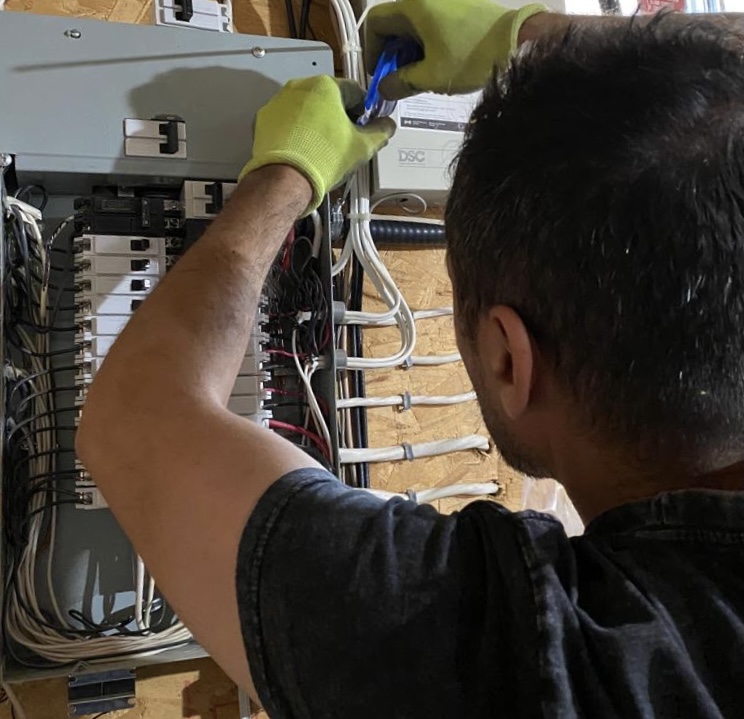
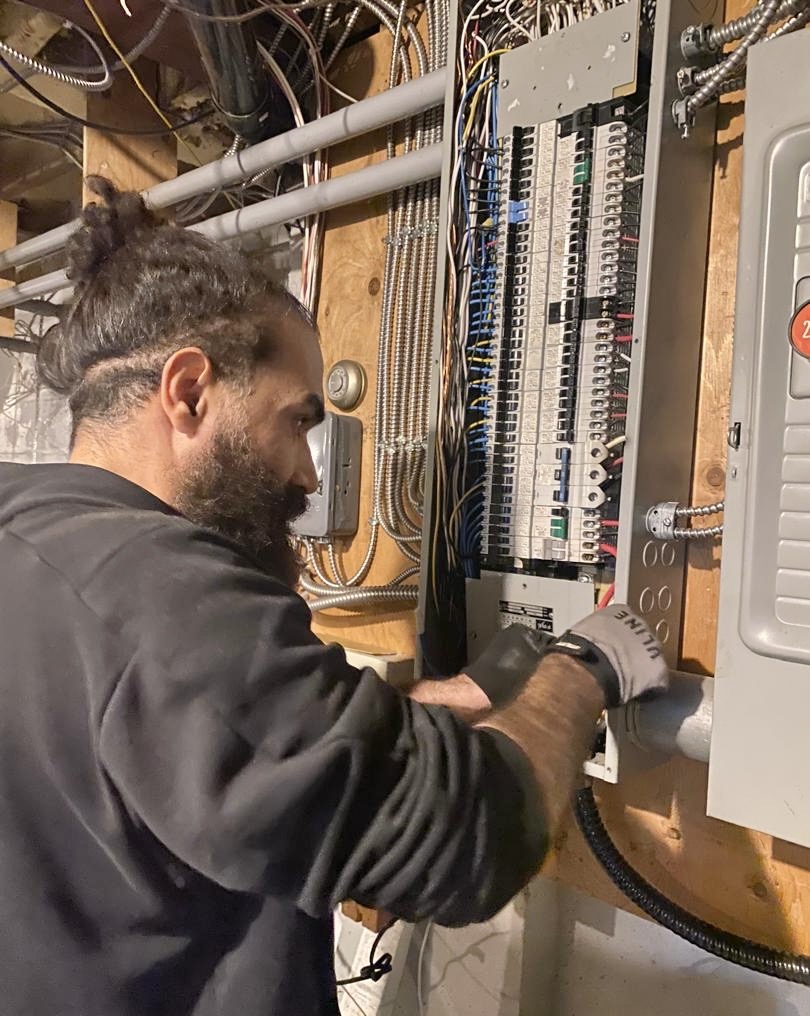
A proper installation usually requires:
- Electrical load calculation
- Panel capacity verification
- ESA permit and inspection
- Code-compliant wiring
Some homes are already ready. Others may require panel upgrades or load management systems.
Every house is different — and that’s why it’s important to assess before installing.
Is There a Rebate for EV Charger Installation in Ontario?
Currently, there is no active residential Ontario rebate for installing a Level 2 charger in single-family homes.
Programs for commercial buildings or multi-unit properties may exist, but for most homeowners, installation is privately funded.
That’s why planning properly from the beginning matters.
Thinking of Buying an EV in 2026? Here’s the Smart Way to Do It
- Take advantage of the full $5,000 federal rebate while it’s at its highest.
- Confirm your vehicle qualifies under the EVAP rules.
- Make sure your electrical panel can safely handle a Level 2 charger.
- Install your charger professionally and according to Ontario Electrical Safety Code.
If you’re considering installing a charger and want a clear idea of cost and requirements, you can request an estimate here:
👉 https://evpr.ca/get-your-estimate-now/
It’s a straightforward way to understand what your home needs before moving forward.
Final Thoughts
2026 is shaping up to be one of the best years yet for EV adoption in Canada. With the federal rebate at its maximum, more homeowners are making the switch.
But an electric vehicle isn’t just a car purchase — it’s also an electrical upgrade decision.
Understanding both sides — the government incentive and the home charging setup — ensures you make the smartest long-term choice.