
Mobile autonomous EV charging units
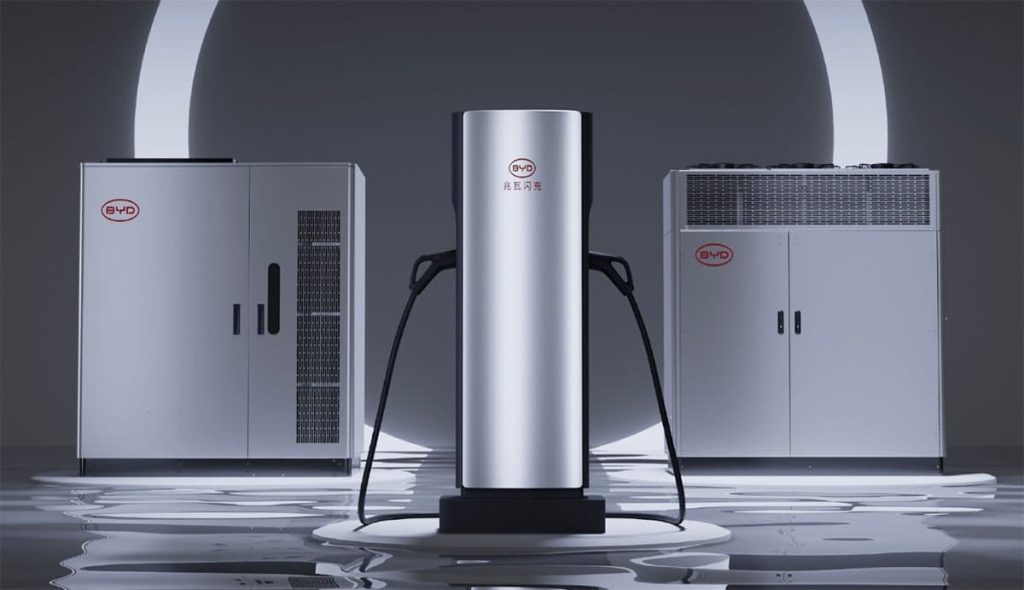
Mobile autonomous EV charging units have become one of the most trending technologies in the electric mobility sector. As drivers demand more flexible charging options and businesses move toward electrifying their fleets, mobile EV chargers offer a revolutionary solution that eliminates the need for fixed charging stations. These systems combine autonomous navigation, fast-charging capability, and high-capacity battery storage to deliver power directly to a vehicle, anytime and anywhere.
Mobile charging robots are built with advanced sensors, AI-driven navigation systems, and high-density battery modules capable of supplying anywhere from 50kW to 200kW of portable charging power. Some next-generation models even support robotic arms that automatically connect to a vehicle’s charging port. For commercial fleet operators, mobile charging eliminates downtime, reduces infrastructure costs, and supports real-time energy distribution across large facilities.
A major advantage of autonomous mobile chargers is their ability to operate independently of the main power grid. Many units come equipped with integrated battery storage systems, allowing them to deliver fast charging in remote areas or emergency situations where no EV infrastructure exists. As EV adoption grows in both urban and rural areas, mobile charging solutions will become critical for supporting roadside assistance, event charging, and temporary charging hubs.
This technology perfectly complements renewable energy systems. Mobile chargers can be charged using solar fields, wind farms, or off-grid storage facilities, making them part of a clean energy ecosystem. They are also ideal for locations where installing permanent chargers is difficult — such as rental car facilities, construction sites, and underground parking areas.
In the coming years, mobile autonomous EV charging units will play a major role in powering electric logistics, smart cities, and large-scale EV deployment. Experts predict that mobile EV charging will become a billion-dollar industry by 2030 as demand skyrockets worldwide.