
Can You Get Paid to Charge Your EV at Home in Ontario? (2026 Guide)
What if charging your electric vehicle in your garage or driveway could actually put cash back into your bank account?
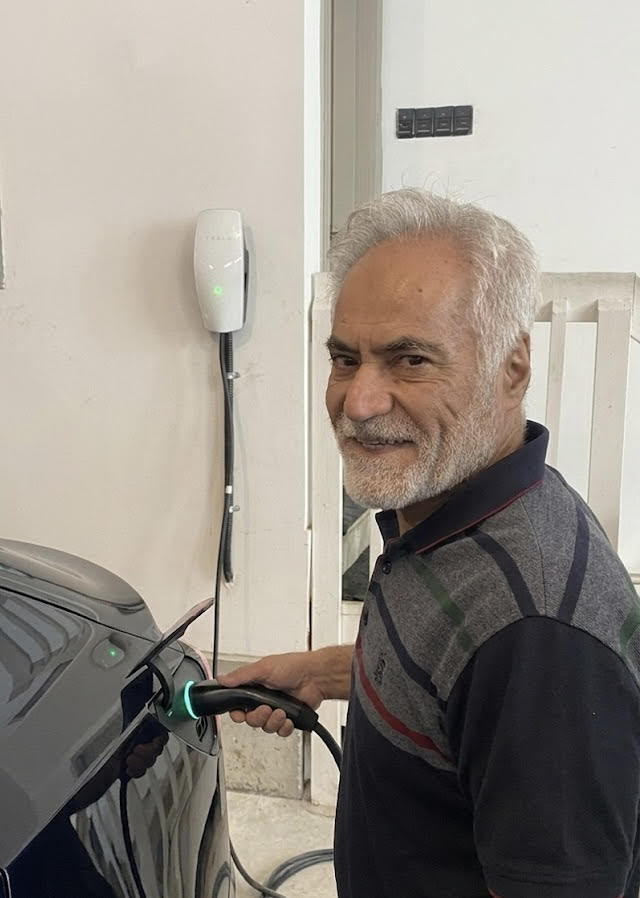
It sounds almost too good to be true, but in 2026, connected home EV charging programs across Ontario are paying real money based on the amount of electricity delivered to eligible electric vehicles.
Depending on your charger brand and chosen program, advertised reward rates in Ontario range between $0.03 and $0.18 per kWh. For an average GTA driver, that can mean $150 to $500+ back in your pocket every year!
Before you start counting your earnings, there is one crucial detail every homeowner must understand:
This is NOT an Ontario government EV charger rebate.
These cash payments come from Canada’s federal carbon credit market, not a provincial government handout.
In this comprehensive guide, we’ll explain how these home charging rewards work, how much you can earn, which chargers qualify, the one strict rule you must never break, and why professional electrical installation remains the foundation of it all.
How Does Getting Paid to Charge Your EV Work?
The concept behind home EV charging rewards is straightforward:

Canada’s federal Clean Fuel Regulations (CFR) require producers and importers of fossil fuels to reduce the carbon intensity of their fuels. To comply, oil and gas companies must purchase carbon credits from clean energy activities.
Because charging an electric vehicle displaces gasoline, residential EV charging generates federal compliance credits.
Since individual homeowners cannot register or trade carbon credits on the federal market directly, private charging network aggregators step in:
1. They aggregate charging data from thousands of connected home smart chargers.
2. They verify the kWh data with accredited federal auditors.
3. They convert that data into carbon credits and sell them to fuel companies on the federal tracking system.
4. They share a portion of that cash revenue directly with you.
When you see advertisements claiming “Get paid $0.13/kWh to charge at home,” the money comes directly from fossil fuel suppliers paying for compliance—not from taxpayers or utility subsidies.
Complete List of Eligible EV Chargers & Reward Programs in Ontario
Under federal rules, cash payouts are managed by aggregator platforms that sync with compatible smart chargers via Wi-Fi or API.
Below is the updated list of major smart chargers, their compatible reward programs, and current payout rates in Ontario:
| EV Charger Brand & Model | Compatible Reward Platform(s) | Estimated Payout Rate (per kWh) | Payout Method & Terms |
| Tesla Wall Connector (Gen 3 / Universal) | Roulez Électrique / RoadToEV / WattsApp | $0.03 – $0.13 / kWh | Annual e-Transfer or direct deposit. Connects via Tesla API. |
| Grizzl-E Smart (United Chargers) | Grizzl-E Club | $0.03 – $0.10 / kWh | Tiered payout based on lifetime volume. Direct e-Transfer withdrawable every $10. |
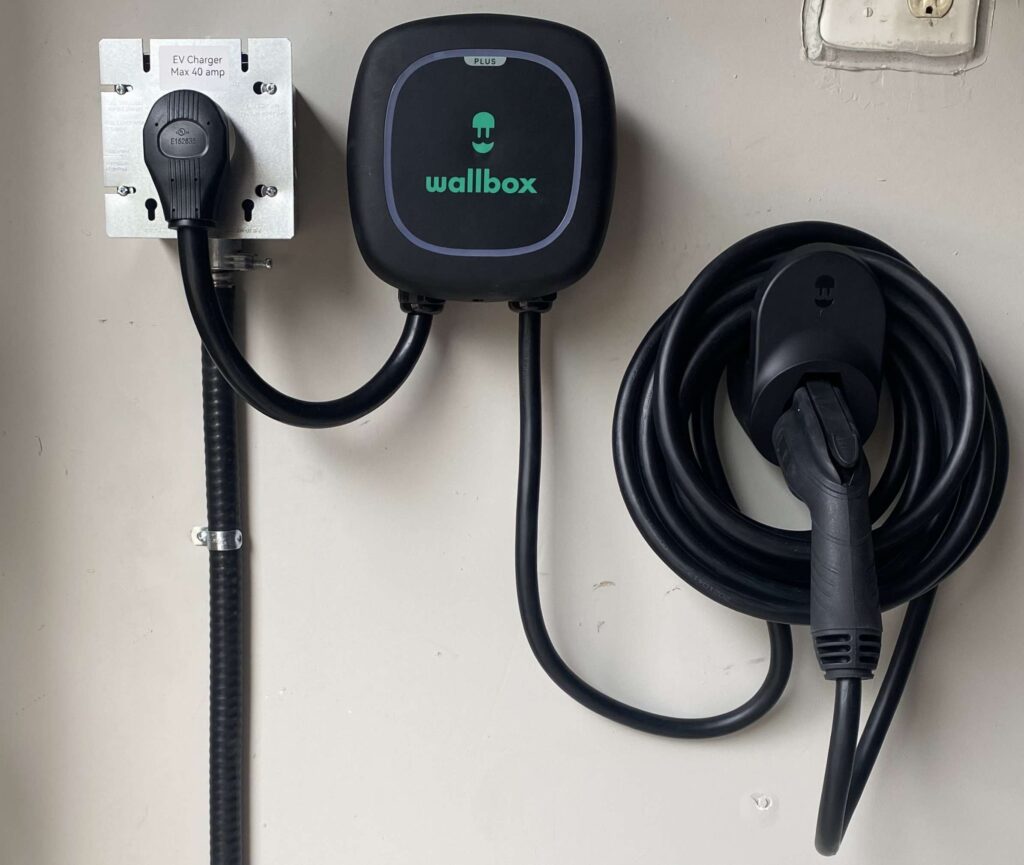
| Wallbox Pulsar Plus | ChargeLab / Roulez Électrique | $0.10 – $0.13 / kWh | Quarterly gift cards or annual direct deposit via OCPP connection. |
| Pion Power (Flex-AC / Elite) | GreenMiles | ~ $0.10 / kWh | Earn 10 points/kWh. Paid annually by cheque or store credit in $100 increments. |
| Autel MaxiCharge (Home Smart) | ChargeLab / Roulez Électrique | $0.10 / kWh | Quarterly payout via gift cards or cash options (OCPP). |
| SWTCH Home Charger / Joint | SWTCH Program | $0.03 – $0.10 / kWh | Direct deposit into your bank account once $100 in accumulated earnings is reached. |
| TechnoVÉ Smart Stations | EcoWatt | $0.12 / kWh | Annual cheque payout issued every July/August. |
| Siemens VersiCharge | ChargeLab | $0.10 / kWh | Quarterly gift cards or direct payouts via Wi-Fi OCPP logging. |
| Sigenergy Smart Charger | Roulez Électrique | Up to $0.18 / kWh | Premium rate for specialized integrated energy storage/EV setups. |
⚠️ The #1 Rule You MUST Know: The “One Charger” Limit
There is one critical federal regulation that many promotions fail to mention:
A single EV charger (identified by its serial number and MAC address) can ONLY be enrolled in ONE carbon reward program per calendar year.
If you attempt to register your charger across multiple apps or switch programs mid-year, it will trigger an automatic duplicate data violation in the federal database. This will void all of your rewards for the entire calendar year. Choose one reputable program and stick with it for the year.
How Much Money Can You Realistically Make?
Let’s look at a real-world calculation for a typical GTA commuter:
Suppose you drive roughly 20,000 km per year, consuming about 300 kWh of electricity per month to charge at home.
At a reward rate of $0.12 per kWh:


Does This Make EV Charging Free in Ontario?
Not quite, but it comes surprisingly close! You will still pay your regular monthly hydro bill to your local utility (such as Toronto Hydro, Alectra, or Hydro One).
However, if you switch your electricity plan to Ontario’s Ultra-Low Overnight (ULO) rate (which charges around 2.8¢ per kWh between 11 PM and 7 AM), earning a 10¢ to 13¢ per kWh reward actually exceeds the cost of the electricity you used to charge your car!
Why Electrical Safety Comes Before Carbon Credits
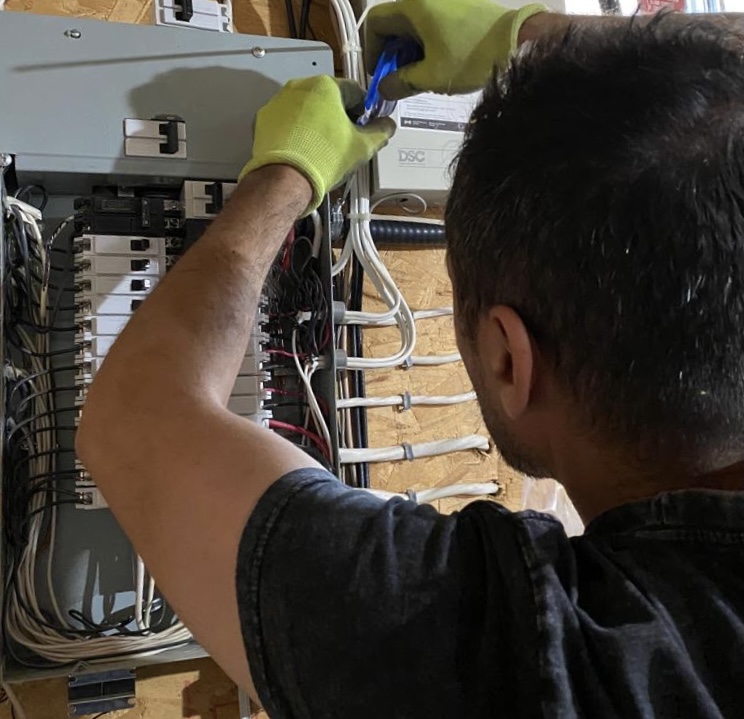
As licensed electrical contractors operating across the Greater Toronto Area, we always remind homeowners: a carbon credit reward program does not change the laws of electricity.
A Level 2 home charger is a continuous, heavy electrical load running in your home for hours at a time. Before focusing on payouts, you must ensure your electrical setup is safe, durable, and fully compliant with Ontario laws:
1. Panel Capacity & Load Calculations
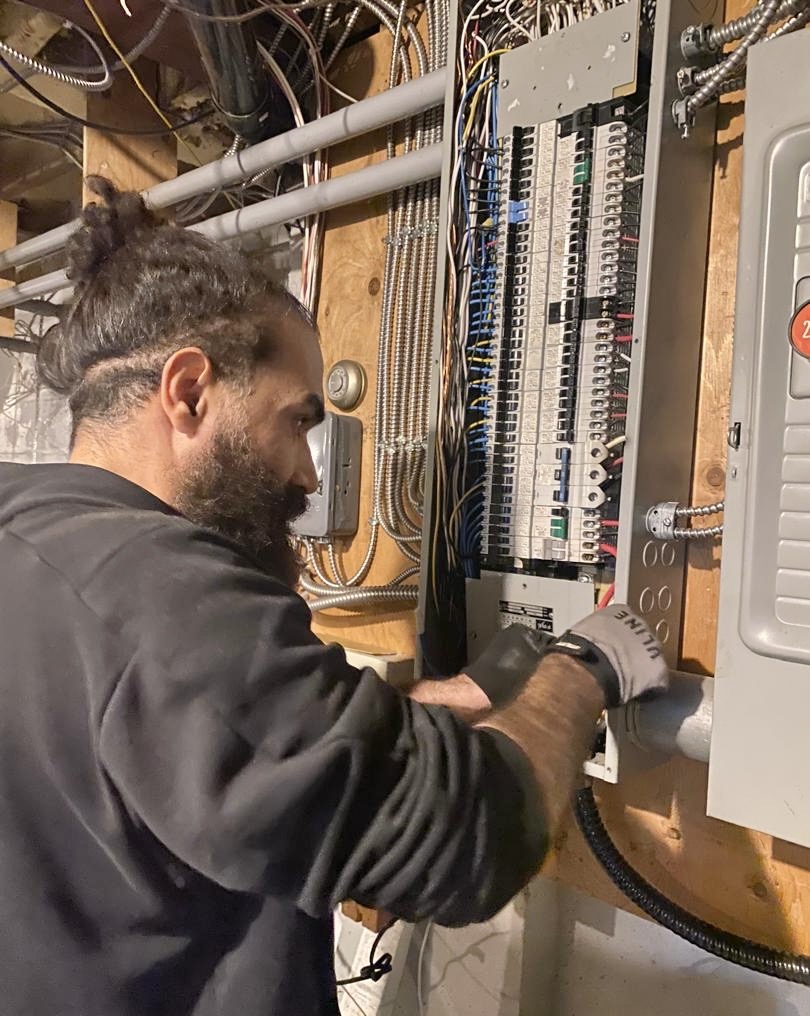
Many older homes in Toronto and York Region have 100-amp electrical panels. Adding a 40A or 48A continuous EV load without a proper load calculation can easily overload your main panel, causing frequent breaker trips or electrical fire hazards.
Depending on your home’s total load, an electrician may recommend:
- An EV Energy Management System (EVEMS) to monitor and dynamically share panel capacity.
- Adjusting your smart charger’s maximum output current.
- A panel or main service upgrade to 200A.
2. Mandatory ESA Permitting & Inspection
In Ontario, all electrical installations—including EV charger wiring—must be completed with a permit (Notification of Work) filed with the Electrical Safety Authority (ESA).
Unpermitted or DIY electrical work risks voiding your home insurance policy, damaging your vehicle’s onboard battery, and creating severe safety risks.
Professional EV Charger Installation in Toronto & the GTA
At EVPRO Electric, we specialize in safe, code-compliant, and high-performance residential EV charger installations. We don’t just mount a box on the wall—we evaluate your electrical system, handle all ESA permits, and ensure your smart charger is connected to Wi-Fi and ready for operation.
We proudly serve homeowners across the GTA:
- EV Charger Installation in North York: Specialist panel assessments, subpanel additions, and load management for established Toronto neighborhoods.
- EV Charger Installation in Richmond Hill & Vaughan: Turnkey Tesla Wall Connector, Grizzl-E, and Level 2 charger installations for single-family homes and custom properties.
- Toronto, Aurora, & Newmarket: Full-service wiring, breaker sizing, garage surface runs, and ESA certification.
5 Things to Check Before Purchasing Your EV Charger
- Panel Capacity: Is your home service 100A, 125A, 150A, or 200A?
- Wi-Fi Coverage: Reward programs require a stable Wi-Fi connection in your garage or driveway to transmit charging data.
- Distance to Panel: The distance between your main panel and your parking spot determines cable gauge, conduit requirements, and overall installation cost.
- Program Compatibility: Verify that your exact charger model is supported by your preferred carbon credit platform.
- Licensed Contractor: Always hire a Licensed Electrical Contractor (LEC) to perform the installation and provide an official ESA Certificate of Inspection.
Frequently Asked Questions (FAQ)
Can I really get paid to charge my EV at home in Ontario?
Yes. Through registered smart charging aggregators participating in Canada’s Clean Fuel Regulations, Ontario homeowners can earn cash rewards based on verified kWh charging data.
Is the $0.13/kWh payout a government rebate?
No. It is a private incentive funded by fossil fuel suppliers purchasing carbon credits on the federal market to meet emissions targets.
Can I enroll an existing charger I already own?
Yes! As long as your charger model is compatible and connected to Wi-Fi, you can link your existing charger to an eligible program. You do not need to buy a new charger just to participate.
Are EV charging rewards considered taxable income?
Certain reward programs (such as Grizzl-E Club) note that payouts may be considered taxable income. We recommend consulting a qualified Canadian tax professional regarding your personal situation.
Final Thoughts: Safe Electrical First, Rewards Second
Earning cash back while your EV charges overnight is an incredible perk for Ontario drivers. However, these payouts should be viewed as a welcome bonus—not a guaranteed government grant.
Your top priority should always be a safe, professionally engineered, and ESA-certified electrical installation that protects your home and family.
Planning to install a Tesla Wall Connector, Grizzl-E, Wallbox, or Level 2 charger in Toronto, North York, Richmond Hill, or anywhere in the GTA?
Ready to safely charge your EV at home? Contact EVPRO Electric today for a transparent, professional consultation in Toronto, North York, Vaughan, and Richmond Hill.