
Driving an Electric Vehicle (EV) in York Region or North York is highly rewarding, but relying on public charging networks can quickly become a hassle. If you’ve recently purchased a Tesla, Hyundai Ioniq, or Ford F-150 Lightning, your next step is upgrading to a Level 2 home charging station.
As licensed electrical contractors serving Richmond Hill, North York, Thornhill, and Vaughan, we get asked the same questions every day.
In this comprehensive guide, we’ll answer the most searched questions about home EV charger installations, local regulations, and how to protect your home’s electrical panel.
1. How Much Does EV Charger Installation Cost in the GTA?
This is the number one search query for homeowners in Ontario. The short answer: It depends on your home’s layout.
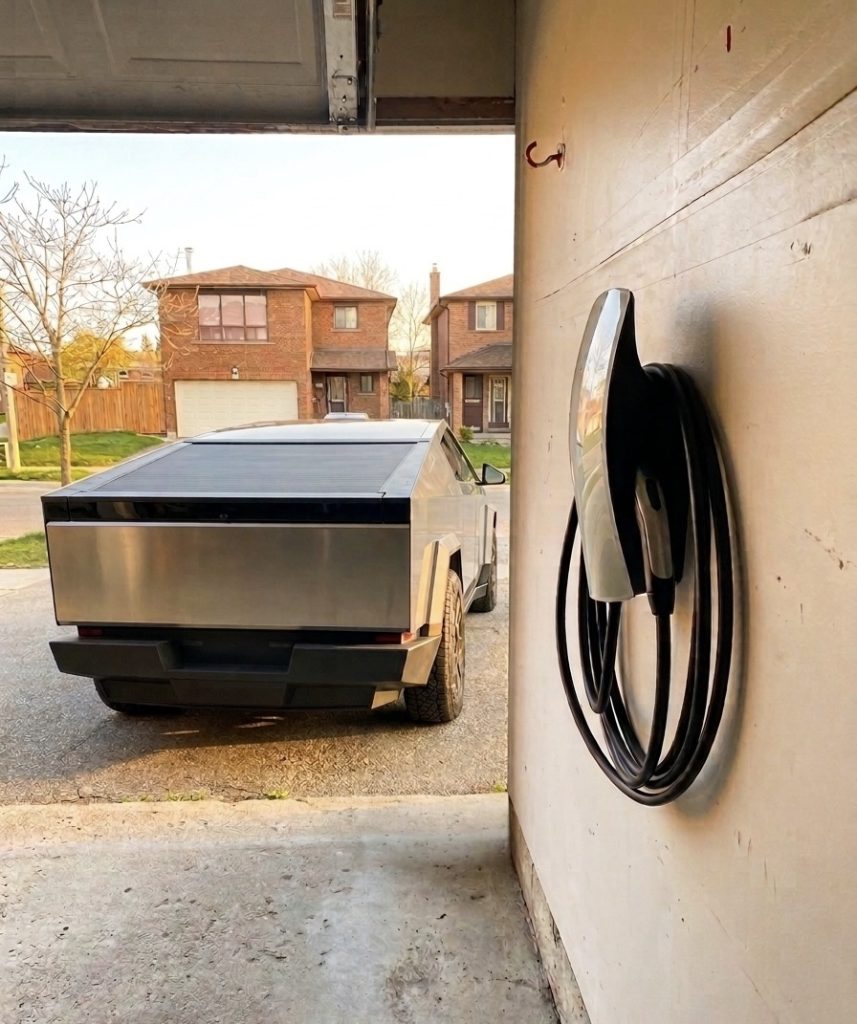
While the charger itself (like a Tesla Wall Connector or Emporia Charger) costs between $500 to $850, the installation labor and materials vary based on:
- Distance: How far your electrical panel is from your garage or driveway.
- Panel Capacity: Whether your panel can handle the extra 40A to 50A load.
- Finished vs. Unfinished Basements: Running conduit through a finished basement in a Richmond Hill home requires more precision and time.
Always get a quote from an ESA-Licensed Electrical Contractor. Cheaper, unlicensed “handyman” installations can void your home insurance and risk electrical fires.
2. My Home Has a 100-Amp Panel. Do I Need an Expensive Service Upgrade?
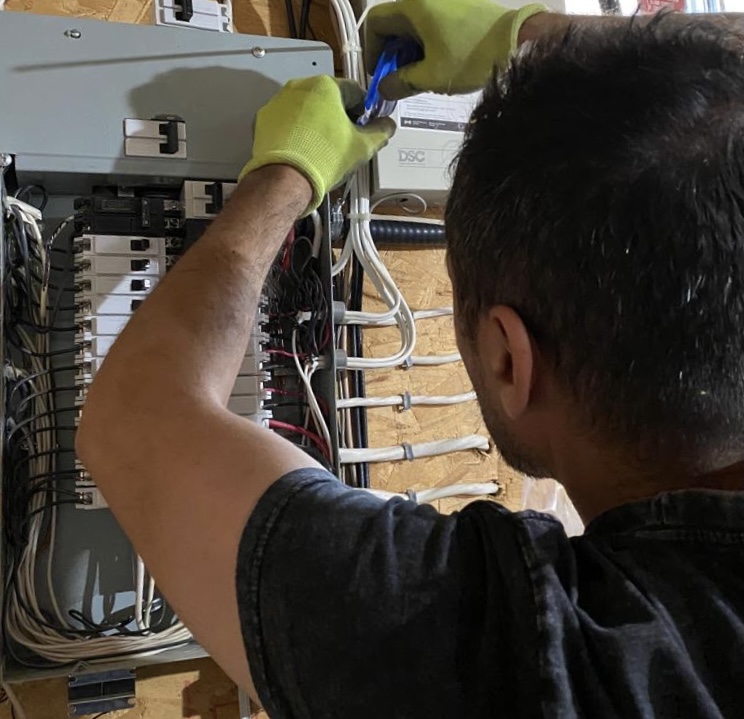
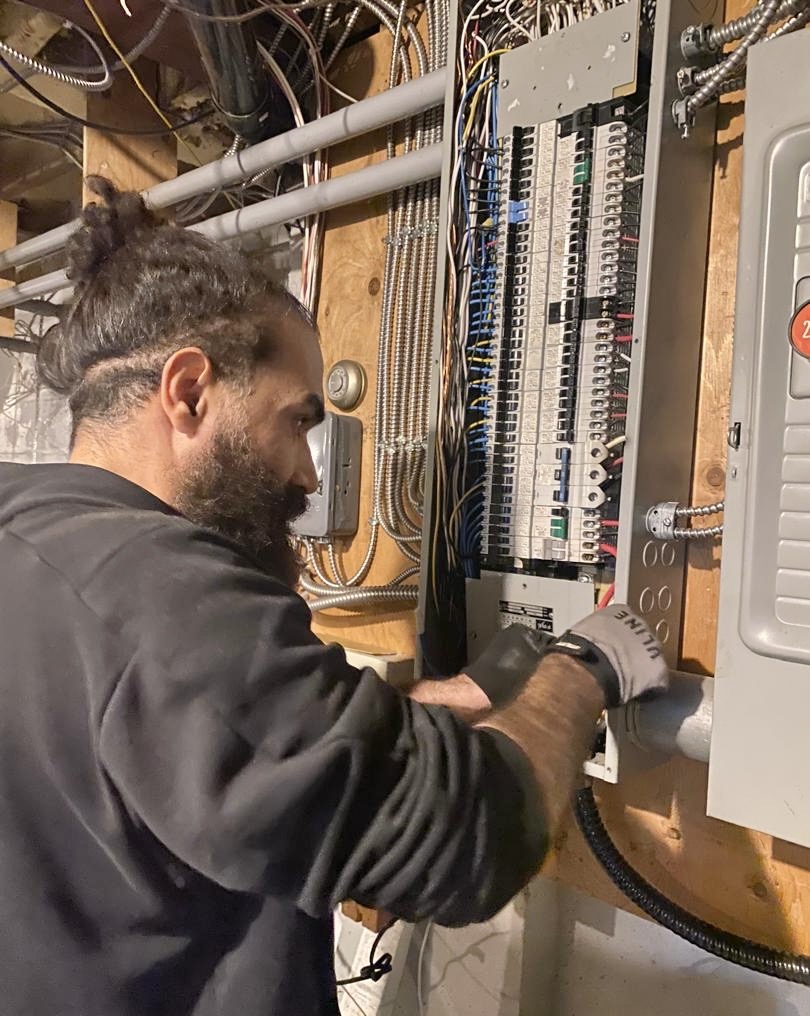
Many older detached homes in North York and Thornhill operate on a standard 100-Amp electrical service. A Level 2 EV charger typically requires a 50-Amp breaker, which can easily overload a 100-A panel if your AC, dryer, and stove are running simultaneously.
The good news? You don’t necessarily need a costly $3,000+ panel upgrade to 200 Amps.
The Smart Solution: EVEMS (Electric Vehicle Energy Management Systems)
Instead of upgrading the whole utility service, we can install an Electric Vehicle Energy Management System (EVEMS) or a Smart Load Manage).
If you are installing a Tesla Gen 3 Wall Connector, Tesla offers an incredibly seamless solution for this: the Tesla Remote Energy Meter
- How it works: It constantly monitors your home’s total power consumption.
- If your home nears its 100A limit, the system safely pauses your EV charging.
- Once your other appliances turn off, it resumes charging your car. This saves you thousands in utility upgrade fees.
3. Do I Need an ESA Permit for an EV Charger Installation in Ontario?
Yes, absolutely. In Ontario, any new electrical wiring—including installing a Level 2 charging station—legally requires a permit from the Electrical Safety Authority (ESA).
When you work with a licensed contractor, they handle the entire process:
- Installing the charger according to the Ontario Electrical Safety Code.
- Scheduling the ESA inspection.
- Providing you with an official ESA Certificate of Acceptance for your records and insurance company.
4. Can I Install a Tesla Wall Connector for Non-Tesla Vehicles?
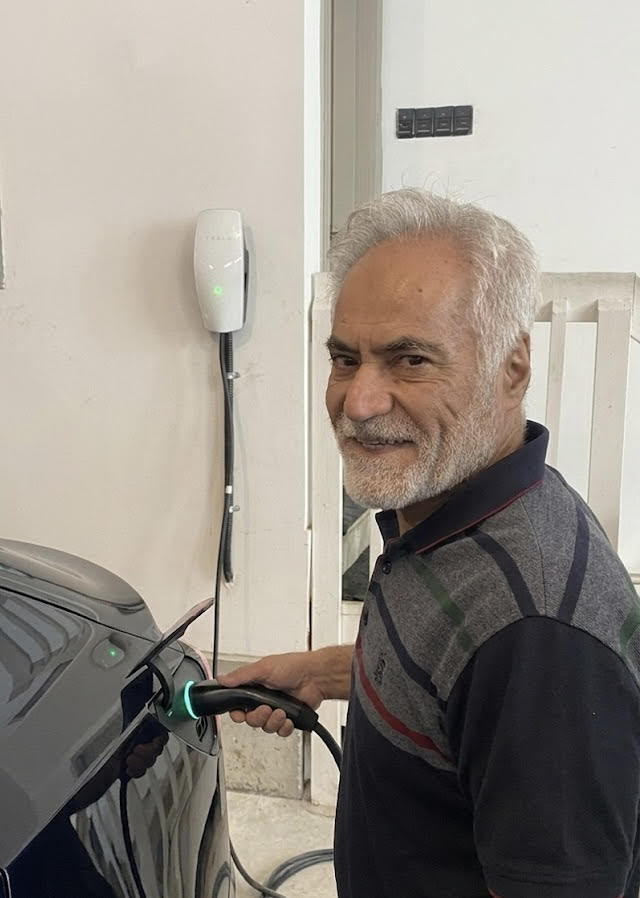
Yes! If you live in Vaughan or Richmond Hill and have a mixed-EV household (e.g., a Tesla Model Y and a Chevy Bolt), the Tesla Universal Wall Connector is highly searched and recommended. It features a built-in J1772 adapter, allowing it to charge any electric vehicle seamlessly.
Looking for a Reliable EV Charger Installer Near You?
Don’t risk your vehicle’s battery or your home’s safety with an improper installation. At EVPRO Electric, we combine engineering expertise with local experience to deliver clean, code-compliant, and efficient charging solutions across North York and York Region.
Ready to wake up to a fully charged battery every morning? Contact us today for a professional load calculation and a transparent installation quote.
Serving: Richmond Hill, North York, Vaughan, Thornhill, and the Greater Toronto Area.